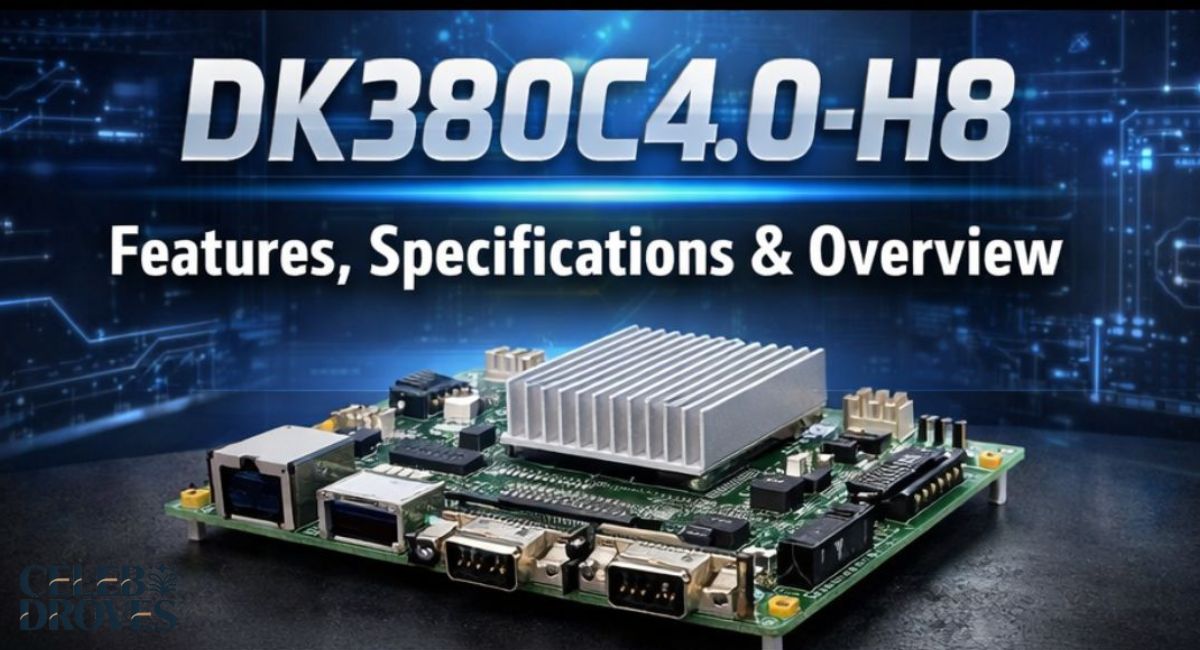
The DK380C4.0-H8 is emerging as a powerful solution in modern industrial environments where speed and precision matter most. It acts as an advanced industrial automation controller designed to support complex production tasks with smooth coordination and accuracy. In today’s competitive manufacturing world, factories rely on smarter systems that improve efficiency and reduce downtime.
The DK380C4.0-H8 specifications suggest strong performance in motion control, data handling, and system integration. It also supports Industry 4.0 integration, which helps machines communicate in real time and make intelligent decisions. As industries shift toward smarter workflows, this controller plays a key role in smart factory automation and next-level manufacturing automation technology for future-ready production systems.
What Is DK380C4.0-H8?
The DK380C4.0-H8: Features, Specifications, and Industrial Applications concept refers to an advanced automation control system. It works as a central brain for machines. It manages motion, timing, and data flow in industrial environments with high precision.
Many engineers view it as an IoT-enabled controller designed for future factories. It connects with sensors, cloud platforms, and industrial networks for real-time decisions.
Key NLP Insight: “What is DK380C4.0-H8 used for?”
It is used for machine control, robotics, and production optimization.
Core Uses
It supports CNC machining automation, robotics, and assembly lines. It also improves factory coordination through real-time monitoring system tools.
Simple View Table
| Function Area | Role of DK380C4.0-H8 |
| CNC Systems | Precision motion control |
| Robotics | Arm synchronization |
| Production Lines | Workflow automation |
| Energy Systems | Power optimization |
Design Philosophy Behind DK380C4.0-H8
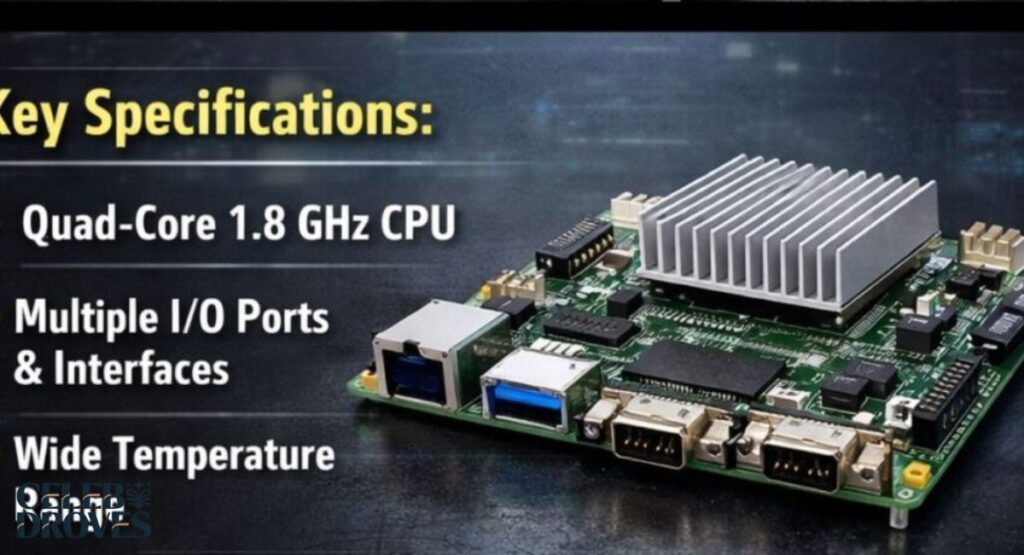
The DK380C4.0-H8: Features, Specifications, and Industrial Applications design focuses on compact structure and smart control. Engineers build it to reduce energy loss and improve stability in harsh environments.
It follows modern manufacturing technology trends. The system uses an embedded microcontroller system for fast response and low latency operations.
Key NLP Insight: “How does DK380C4.0-H8 work in industrial automation?”
It processes sensor data and controls machines in real time.
Design Goals
It aims for durability, flexibility, and smart connectivity. It supports industrial communication protocols (Modbus, RS485, Ethernet) for smooth integration.
A small factory case example shows its impact. A packaging plant reduced downtime by 18% after upgrading to similar controllers. That improvement came from better fault detection system and faster response cycles.
Technical Specifications of DK380C4.0-H8
The DK380C4.0-H8 specifications highlight strong performance in industrial environments. It supports high-speed processing and stable operation under pressure.
It also improves industrial control systems by handling multiple tasks at once. Engineers use it for SCADA system integration and complex factory operations.
“DK380C4.0-H8 technical specifications explained”
It includes high precision control, multi-port communication, and thermal stability.
Specification Table
| Feature | Description |
| Power Input | 24V–48V DC |
| Control Type | Precision automation control |
| Communication | Ethernet, RS485, Modbus |
| Cooling | Smart thermal system |
| Operating Range | -10°C to 60°C |
Performance Insight
It supports programmable logic controller (PLC) compatibility and enhances system flexibility in large factories.
Core Features of DK380C4.0-H8
The DK380C4.0-H8: Features, Specifications, and Industrial Applications include advanced control systems for modern industries. It uses advanced control algorithms to reduce delay and improve accuracy.
It also supports multi-device synchronization. This helps machines work together like a single system.
Key NLP Insight: “How IoT is used in industrial controllers”
IoT connects machines for remote monitoring and control.
Main Features
It enables energy savings through industrial power optimization. It also strengthens safety using real-time alerts and smart shutdown systems.
A simple quote explains its value:
“Smart controllers reduce waste and increase machine intelligence.”
Applications of DK380C4.0-H8 in Industry
The DK380C4.0-H8: Features, Specifications, and Industrial Applications expands across many industries. It supports high-speed production and accurate control in complex systems.
It is widely used in smart factory automation and robotics systems. It improves productivity and reduces manual errors in industrial environments.
“Applications of DK380C4.0-H8 in robotics and manufacturing”
It powers robots, CNC machines, and assembly systems.
Industry Use Table
| Industry | Application |
| Automotive | Welding and assembly |
| Food Industry | Packaging control |
| Robotics | Motion coordination |
| Energy | Smart grid control |
It plays a strong role in CNC machining automation and modern production environments.
DK380C4.0-H8 and Industry 4.0 Integration
The DK380C4.0-H8: Features, Specifications, and Industrial Applications fits perfectly into Industry 4.0 integration models. It connects machines, data, and cloud systems.
It improves decision-making using live data. This supports digital transformation in industry and smart factory upgrades.
Key NLP Insight: “Is DK380C4.0-H8 compatible with Industry 4.0 systems?”
Yes, it connects with smart sensors and cloud platforms.
Smart Features
It enables predictive systems and remote control. It strengthens predictive maintenance systems by detecting early faults before breakdowns happen.
Advantages of DK380C4.0-H8 Over Conventional Controllers
The DK380C4.0-H8: Features, Specifications, and Industrial Applications shows clear benefits over old systems. It reacts faster and uses less energy.
Traditional systems often lack flexibility. This controller supports modern smart manufacturing systems with better integration.
Key NLP Insight: “Advantages of DK380C4.0-H8 over traditional controllers”
It offers better speed, accuracy, and scalability.
Key Advantages
It improves uptime and reduces maintenance cost. It also enhances energy-efficient automation and system stability.
Challenges and Limitations
The DK380C4.0-H8: Features, Specifications, and Industrial Applications also faces some challenges. One issue is limited official documentation.
Another challenge is integration with older systems. Many factories still use outdated PLC systems.
Key NLP Insight: “Challenges of using DK380C4.0-H8 controller”
Compatibility and verification remain key concerns.
Common Issues
It may require skilled technicians for setup. Some systems may not fully support SCADA system integration without upgrades.
Future Prospects of DK380C4.0-H8
The DK380C4.0-H8: Features, Specifications, and Industrial Applications shows strong future potential. It may evolve with AI-based automation systems.
Future factories will depend more on smart controllers. This will push future of industrial automation controllers forward.
Key NLP Insight: “Future of industrial automation controllers”
AI and IoT will shape next-generation systems.
Future Trends
It may support cloud-based digital twins and stronger cybersecurity. It will also improve industrial automation controller intelligence.
Conclusion: Is DK380C4.0-H8 the Future of Automation?
The DK380C4.0-H8: Features, Specifications, and Industrial Applications represents a shift in modern manufacturing. It connects machines, data, and intelligence in one system.
It supports smart factory automation and improves industrial performance. With growing adoption of Industry 4.0 integration, it may become a key part of future production systems in the USA.
FAQs on DK380C4.0-H8
Q1: What is DK380C4.0-H8 used for?
A: The DK380C4.0-H8 is used in industrial environments for machine control, automation, and process optimization. It supports production lines, robotics systems, and CNC machines. Many factories use it to improve speed, accuracy, and operational efficiency in modern manufacturing setups.
Q2: What are the main features of DK380C4.0-H8?
A: The DK380C4.0-H8 features advanced control processing, real-time monitoring, and multi-device coordination. It also supports IoT connectivity and smart communication systems. These features help industries improve automation performance and reduce system downtime.
Q3: Is DK380C4.0-H8 compatible with Industry 4.0 systems?
A: Yes, the DK380C4.0-H8 is designed for Industry 4.0 environments. It connects machines, sensors, and cloud platforms for real-time data exchange. This makes it suitable for smart factories and digital manufacturing systems.
Q4: How does DK380C4.0-H8 improve industrial automation?
A: The DK380C4.0-H8 improves industrial automation by offering precise control and fast data processing. It helps machines work together smoothly and reduces human error. This results in higher productivity and better system reliability.
Q5: Why is DK380C4.0-H8 important for modern factories?
A: The DK380C4.0-H8 is important because it supports smart manufacturing systems and energy-efficient operations. It enhances automation control, improves production speed, and supports predictive maintenance, making factories more advanced and cost-effective.